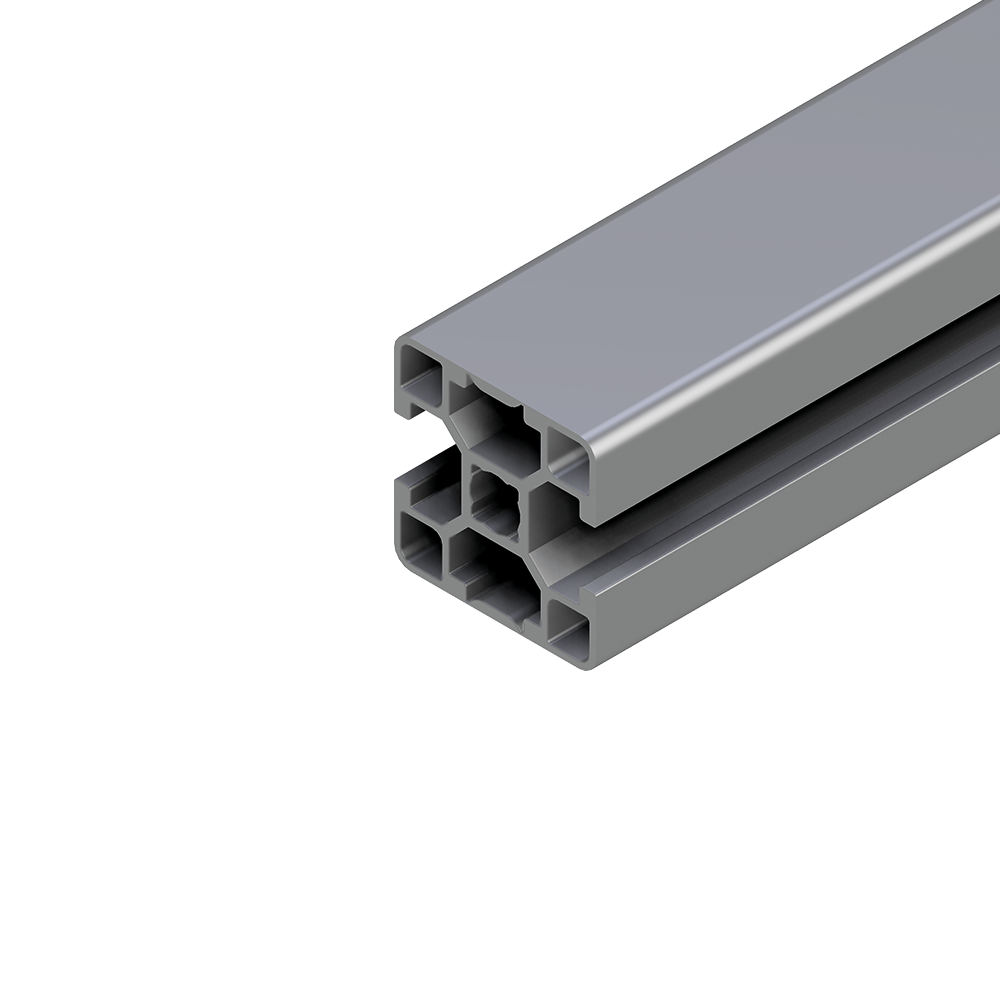
Strong structures do not begin with guesswork; they begin with the right profile size. Engineers and fabricators rely on T slot extrusion systems because they offer predictable strength, modular flexibility, and easy assembly. Understanding the range of available profile sizes helps designers choose the right T slot aluminum extrusion for everything from light sensor mounts to full-scale industrial frameworks.
Small Cross Sections Suited for Light Duty Frames
Compact profiles provide surprising versatility in lightweight builds. A 19 x 19 mm square profile, for example, works well for small frames, sensor brackets, and light enclosures. Its minimal footprint makes it ideal for tight spaces where strength is needed but bulk must stay low.
Despite the smaller dimensions, extruded aluminum T slot profiles in this size still offer clean alignment and easy fastening with standard connectors. A 19 x 45 mm rectangular profile expands on that idea by adding more surface area while maintaining a slim design. These smaller members often appear in electronic housings, display stands, and light structural frames where balance between strength and space matters.
Medium Profiles Built for Machine Guarding Systems
Stepping up in size opens the door to broader industrial applications. The 30 x 30 mm square profile serves as a base size within the 30 Series and is frequently used for vehicle fit-outs and display cabinets. Its proportions make it stable without being overly heavy.
The 32 x 32 mm profile adds options through Ultra-Lite (UL) and Functional (F) variations. These versions allow designers to match profile weight to guarding requirements. In many machine guarding systems, MiniTec Aluminum Framing in these sizes provides enough rigidity for panels and doors without unnecessary mass.
Large Beams Designed for Heavy Structural Spans
Heavier structures require beams that resist bending over longer distances. The 45 x 45 mm square profile often becomes the go-to workhorse for industrial bases and safety enclosures. It supports equipment loads while remaining modular and easy to assemble.
As spans increase, designers frequently choose the 45 x 90 mm rectangular profile. Its added depth in one direction increases stiffness where needed most. T slot extrusion in these dimensions offers strong resistance to deflection, making it suitable for platforms, supports, and large machine frames.
Square Formats That Simplify Corner Assemblies
Square profiles simplify layout and alignment. Equal sides allow straightforward corner brackets and uniform load distribution. The 60 x 60 mm square profile falls within the medium-to-heavy range and appears often in conveyor frames and high-speed automation systems.
Consistency in dimension makes square formats easier to expand. Builders working with MiniTec extruded aluminum framing appreciate how square shapes allow symmetry in assembly. Straightforward geometry reduces layout time and improves repeatability across multiple builds.
Rectangular Shapes for Wide Surface Support
Rectangular profiles provide extended support in one axis while keeping the other dimension compact. The 45 x 90 mm profile fits this role when rigidity must concentrate along a single direction. Its wider face supports panels and equipment mounts.
Larger rectangular forms such as 90 x 180 mm take structural capability even further. These profiles anchor large-scale systems where stability is critical. T slot aluminum extrusion in this range supports heavy components and elevated platforms without compromising modular flexibility.
Narrow Slots for Compact Equipment Builds
Slot width influences compatibility with fasteners and accessories. Narrower slots appear in smaller profile series and suit compact assemblies. These systems allow precision placement of brackets, sensors, and small fixtures.
Engineers designing tight equipment layouts often rely on MiniTec Aluminum Framing for its consistent slot geometry. Smaller slot systems reduce unnecessary weight and maintain structural clarity in confined builds.
Deep Channel Options for Added Rigidity
Deeper channels within certain profiles increase structural strength without dramatically expanding overall size. By increasing internal material thickness in key areas, these designs resist twisting and bending.
Designers working with T slot extrusion evaluate channel depth carefully. In automation lines and support structures, additional rigidity prevents vibration from affecting accuracy. Internal geometry plays a quiet but powerful role in overall performance.
Heavy Wall Profiles for Higher Load Ratings
Wall thickness directly affects load capacity. Heavy wall versions of standard profiles withstand higher static and dynamic loads. The 90 x 90 mm square profile exemplifies this principle in heavy load-bearing frameworks.
These profiles appear in industrial platforms, machine bases, and structural support systems. MiniTec extruded aluminum framing in heavy wall configurations allows engineers to meet load requirements while maintaining modular adaptability.
Metric Based Sizes to Match Global Standards
Many T slot aluminum extrusion systems follow metric sizing. Profiles such as 30 x 30 mm, 45 x 45 mm, 60 x 60 mm, and 90 x 90 mm align with international engineering standards. This consistency simplifies integration across global operations.
Metric-based MiniTec Aluminum Framing supports standardized fasteners and accessories. Designers working across multiple regions benefit from predictable compatibility. Global sizing ensures projects move forward without conversion errors or mismatched components.
Support for modular aluminum framing projects extends beyond supplying profiles alone. Minitec Solutions provides guidance on selecting the right T slot extrusion sizes for specific structural demands and application requirements. Through technical expertise and a broad range of MiniTec extruded aluminum framing options, they help engineers build efficient, scalable systems that perform reliably across industries.