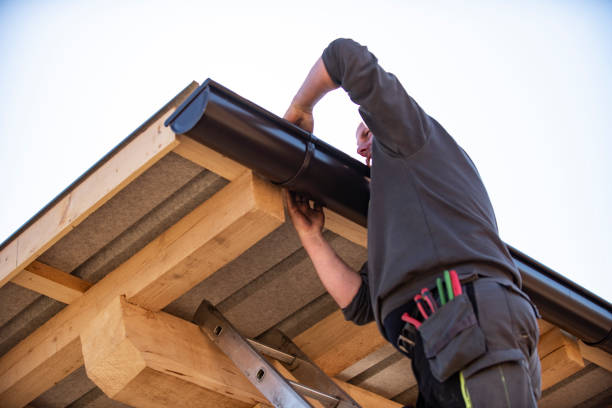
A gutter warranty can sound simple until a leak or loose section raises questions about who pays for the repair. Homeowners comparing gutter companies near me should look beyond the warranty length and read what the contractor actually promises to correct. Understanding the difference between workmanship coverage and product coverage makes it easier to judge the value of a gutter installation before work begins.
What Does a Workmanship Warranty Actually Cover?
Coverage usually applies to problems caused by the way the system was installed rather than defects in the metal itself. Installation-related issues may include loose hangers, poorly sealed joints, incorrect pitch, leaking miters, or sections that were not secured as promised in the contract. Examples vary by gutter company, so the written terms should identify which labor problems qualify and how the contractor will address them. Material failures such as defective coatings, premature rust, or manufacturing flaws may fall under a separate manufacturer warranty instead. Poor outlet cuts, uneven hanger spacing, and badly fitted corners are installation details worth checking in writing.
Labor Coverage Is Different From a Manufacturer Warranty
Labor warranties focus on the contractor’s work during rain gutter installation. Manufacturer warranties usually cover specific products and may have their own limits for finishes, materials, or factory defects. Knowing which warranty applies matters because a leaking seam caused by poor sealing is different from aluminum that fails because of a manufacturing problem.
Suppose a downspout separates because a fastener was installed incorrectly. That problem may fit workmanship coverage, while storm damage that tears the same downspout from the wall may be excluded. Reading both sets of terms helps homeowners understand who handles the claim and whether labor, replacement parts, or both are included.
Common Exclusions Can Change the Value of the Warranty
Exclusions deserve as much attention as the coverage itself. Damage caused by falling branches, severe storms, animals, roof work, foundation movement, or alterations made by another contractor may fall outside workmanship protection. Maintenance problems can also affect a claim if clogged gutters or neglected downspouts contribute to overflow and separation. Clear exclusions help homeowners compare gutter companies near me without assuming that every future gutter problem will be repaired at no cost. Weather-related exceptions should show where installation responsibility ends and outside damage begins.
How Does the Warranty Claim Process Work?
Warranty terms should explain how a homeowner reports a problem and what happens next. Many contractors require the customer to contact the company, describe the issue, and allow an inspection before repairs are approved. Others may set a time limit for reporting damage after it becomes visible.
Photos can help document a leak, sagging section, or separated joint before conditions change. Prompt reporting also makes it easier to determine whether the issue came from the original gutter installation or from later damage. Keeping the contract, invoice, warranty paperwork, and any maintenance records together can prevent confusion if a claim is made years after the project.
Transfer Rules Matter When a Home Is Sold
Transferability determines whether workmanship coverage stays with the property or ends when the original customer sells the home. Sellers may find a transferable warranty useful because it gives buyers written information about the rain gutter installation and any remaining coverage. Buyers should still confirm whether registration, a transfer fee, or a deadline applies before assuming protection continues automatically. Written terms are more reliable than verbal promises made during an estimate. Ownership changes should be reported so a transferable warranty does not lapse because paperwork was missed.
Inspection and Maintenance Requirements May Affect Coverage
Inspection requirements can appear in some workmanship warranties, especially when drainage performance depends on keeping gutters and downspouts clear. Scheduled cleaning may be expected in areas with heavy tree cover because packed debris adds weight, blocks outlets, and can cause water to spill behind the gutter. Missing required maintenance could make it harder to show that an installation problem caused later damage.
Seasonal checks can also reveal loose fasteners, sealant failure, or movement before a small issue spreads along the system. Professional service is not always required, but the warranty should say whether homeowners can perform routine cleaning themselves. Documented maintenance gives both the homeowner and gutter company a clearer history when a drainage issue needs to be evaluated. Records such as cleaning dates, repair invoices, and inspection notes can help separate upkeep from a workmanship concern.
Ask About the Warranty Before the Installation Starts
Before signing a contract, homeowners should ask how long workmanship coverage lasts, which installation defects are included, what exclusions apply, whether the warranty transfers, and how claims are handled. Apollo Roofing stands behind its gutter installations with a satisfaction guarantee and a focus on dependable workmanship. If an installation concern comes up, homeowners can contact their team to have the work reviewed and determine what needs attention, giving customers added confidence that the job is supported after installation.