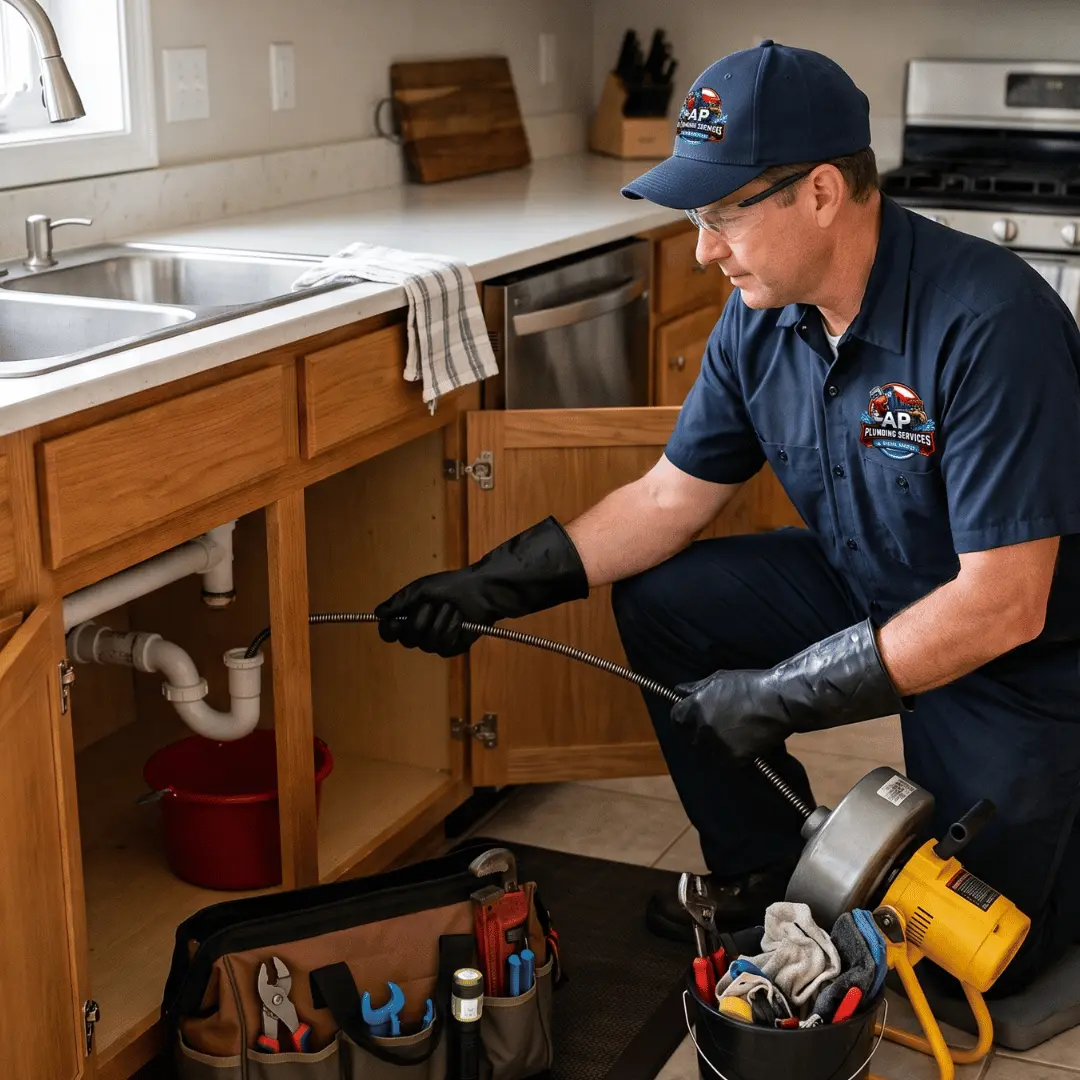
Maintaining a home in Houston comes with a unique set of challenges. From intense summer heat waves to unpredictable winter freezes, local weather patterns take a heavy toll on residential infrastructure. Among the most frequent issues homeowners face, plumbing problems rank near the top. A smooth-flowing drainage system is essential for a clean, comfortable, and hygienic home. However, daily activities like cooking, showering, and washing clothes constantly deposit debris into your pipes. Over time, these deposits accumulate, leading to slow drainage, unpleasant odors, and severe pipe blockages.
When you notice water standing in your kitchen sink or pooling around your feet during a shower, it is easy to feel frustrated. Many people reflexively reach for retail chemical drain cleaners, hoping for a fast solution. Unfortunately, these aggressive chemicals often cause more harm than good, eroding older metal pipes or damaging modern PVC connections. Understanding how your home’s drainage network operates, recognizing early warning signs of trouble, and knowing when to call professionals for reliable drain cleaning Houston services can save you thousands of dollars in emergency repair costs.
Understanding the Common Causes of Household Clogs
Drainage systems rely entirely on gravity and unobstructed pipe paths to move wastewater safely away from your home into the municipal sewer line. When foreign materials enter this system, they disrupt the flow and begin to build up along the inner walls of the plumbing network.
In the kitchen, grease and cooking oils are the primary culprits behind stubborn blockages. When warm liquid fat goes down the sink, it may look harmless. As it cools within the dark interior of your pipes, it thickens into a solid, sticky layer. Food scraps, coffee grounds, and eggshell fragments adhere to this sticky coating, gradually narrowing the passage until water can no longer pass through.
In the bathroom, a different set of materials causes friction. Hair, soap scum, and toothpaste residue combine to form dense, fibrous mats inside drain lines. Hair binds with the fatty acids in traditional bar soap, creating a stubborn barrier just below the drain grate. In toilets, flushing products labeled as flushable wipes often leads to massive blockages, as these synthetic materials do not break down rapidly in water like standard toilet paper.
Beyond indoor habits, external factors heavily influence Houston plumbing systems. Tree roots naturally search for moisture during long, dry summer stretches. They can find microscopic cracks or loose joints in underground main sewer lines, growing inside the pipe to capture water. As the roots expand, they trap toilet paper and solids, causing widespread backups throughout the entire house.
Recognizing the Early Warning Signs of Pipe Restrictive Build-Up
Plumbing disasters rarely happen overnight without giving a few hints beforehand. Recognizing early indicators of restricted water flow allows you to address minor issues before they turn into major water damage emergencies.
- Sluggish Water Drainage: If water takes longer than usual to empty from your tub, shower, or sink, a clog is steadily forming inside the branch lines.
- Gurgling Sounds: Hearing strange bubbling or gurgling noises from your sink or toilet indicates trapped air within the pipes, caused by restricted flow farther down the line.
- Foul Odors: Persistent sour or sewage-like smells emerging from your drains usually mean decaying organic matter or stagnant water is trapped in the P-trap beneath the sink.
- Water Backups: If using your washing machine causes water to rise inside a nearby shower stall, your main sewer trunk line likely suffers from a major blockage.
Ignoring these early warning signs rarely works out well. What begins as a minor inconvenience can quickly evolve into a ruptured pipe, ruined flooring, or expensive structural damage to your home’s foundation.
Safe DIY Maintenance Strategies vs. Professional Methods
Keeping your drainage lines clear requires a balance of good daily habits, mild home remedies, and timely expert intervention.
Safe Everyday Habits for Prevention
Prevention remains the single most effective way to protect your plumbing. Installing inexpensive mesh drain strainers in your kitchen sinks and bathroom showers catches hair, food particles, and debris before they ever enter the drain line. In the kitchen, collect grease in a spare jar or tin can and toss it into the trash instead of pouring it down the drain. Running hot water down the sink for thirty seconds after washing dishes can also help carry minor soap residues farther down the main sewer line.
For minor buildup, a classic plunger is often the safest initial tool. Ensure a tight seal over the drain opening and push firmly to break up light obstructions through water pressure. Another safe home method involves pouring half a cup of baking soda down the drain, followed by a cup of white vinegar. The natural bubbling reaction helps loosen light grime and neutralizes sour odors without damaging your pipes.
When to Seek Professional Intervention
While home remedies handle minor surface buildup, deep mainline blockages demand specialized equipment. Attempting to clear severe obstructions with makeshift tools or harsh store-bought chemicals can burst pipes, crack fixtures, or push the clog deeper into the system.
Professional plumbers employ advanced technology to inspect and clear your pipes safely. High-definition video camera inspections allow technicians to look deep inside the sewer line to locate the exact source and depth of a blockage. To clear heavy grease, mineral scale, or invasive tree roots, specialists often utilize hydro-jetting, a method that uses high-pressure water streams to scour the interior walls of the pipe clean without causing structural damage.
Partnering with dependable experts like Affordable Plumbing Services ensures your plumbing system receives proper diagnostic care, restoring smooth water flow while preserving the long-term integrity of your home’s infrastructure.
Long-Term Benefits of Routine Plumbing Care
Investing in routine maintenance for your home’s plumbing network delivers significant financial and practical advantages. Regular maintenance clears out small deposits before they become hardened blockages, extending the overall lifespan of your piping materials. Clean pipes experience less internal pressure, reducing the risk of sudden leaks, burst pipes, and unexpected plumbing emergencies. Furthermore, maintaining an efficient, smooth-flowing drainage system helps prevent bad odors and minimizes the risk of harmful bacteria growing inside stagnant standing water, creating a safer, healthier living environment for your entire family