The first time I walked into an Art fair, I honestly thought I’d stay for maybe an hour, click a few photos, nod seriously at some paintings, and leave feeling “cultured.” Yeah, that didn’t happen. I stayed almost the whole day, missed my bus back, and spent way too much money on coffee that tasted like regret. But weirdly, I didn’t mind. An art fair kind of does that to you. It pulls you in slowly, like scrolling Instagram at midnight when you swear you’ll sleep in five minutes.
I think people assume art fairs are only about buying art or pretending to understand it. But that’s such a small part of it. For me, it feels more like entering a parallel version of normal life where everything is slightly louder, more colorful, and a bit confusing. Like real life, but turned up one notch. You don’t need to “get” everything. Sometimes just being there is enough.
That moment when art feels awkward, and that’s okay
I remember standing in front of one installation for a solid three minutes, trying to decode it. It was a pile of mixed materials, wires, cloth, something that looked suspiciously like a broken fan. A guy next to me whispered to his friend, “This is about capitalism collapsing.” I nodded like I agreed, even though my brain was still stuck on the fan. That’s when I realized most people at an art fair are faking confidence at least a little bit.
And that’s fine. Social media kind of exposes this too. You’ll see reels with captions like “POV: you’re at an art fair and don’t understand anything but it looks cool.” That honesty is refreshing. It removes the pressure. Art doesn’t have to be decoded like a math problem. Sometimes it’s just a feeling, like listening to a song in a language you don’t speak but still loving it.
Exhibitions that feel like walking through someone’s mind
Exhibitions are usually where I start. Not because I have a plan, but because they’re the easiest to drift into. You walk, you stop, you stare, you move on. Some works hit you instantly, others don’t. I once saw a painting that reminded me of my childhood house during a power cut. No idea if that’s what the artist meant, but it felt personal anyway.
A lesser-known thing is that many artists at these fairs spend months, sometimes years, on pieces that people might look at for ten seconds. That sounds depressing, but artists I’ve spoken to don’t seem bitter about it. One of them told me it’s like cooking for a big family gathering. Not everyone will comment, but if even one person connects, it’s worth it.
Performances that sneak up on you
Performances are dangerous in the best way. You think you’re just passing by, and suddenly you’re standing there for thirty minutes, fully invested. I once got stuck watching a contemporary dance piece I didn’t plan to see at all. There was no stage, no announcement. Just bodies moving, music echoing, and people slowly forming a circle. It felt raw, almost awkward, but powerful.
Online, people love to argue about performance art. Half the comments are like “this changed my life,” and the other half are “I could do this too.” Both sides kind of miss the point. Performance art isn’t about skill comparison. It’s about presence. Being there, in that moment, feeling slightly uncomfortable or moved or both.
Workshops and the joy of messing up
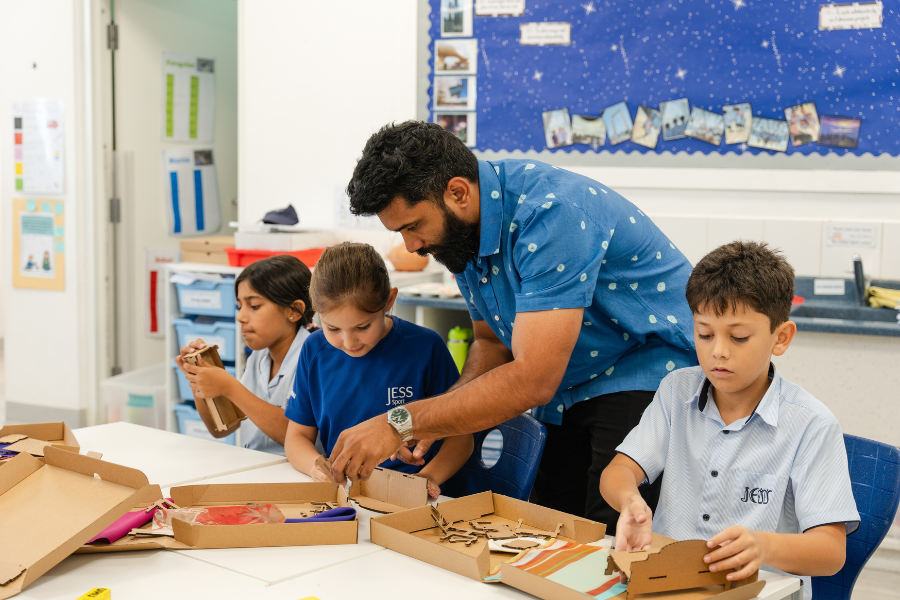
Workshops are where ego goes to die, honestly. You sit down thinking you’re creative, and five minutes later you’re staring at your work thinking, why does this look so bad. I joined a printmaking workshop once and completely messed it up. Ink everywhere. Paper ruined. The instructor laughed and said mistakes are part of the process. Easy for them to say, but it did help.
What I like about workshops at art fairs is that nobody expects perfection. It’s not school. It’s more like playing again as an adult. You experiment, you fail, you laugh, you move on. That’s rare in everyday life, where everything feels measured and judged.
Talks that sound deep but sometimes actually are
I used to avoid talks. Thought they’d be boring. Turns out, they’re hit or miss, like podcasts. Some speakers ramble. Some drop insights that stick with you for weeks. I attended one talk where an artist compared creativity to budgeting. You can’t spend all your energy in one place, or you’ll burn out. That analogy weirdly made more sense than most productivity advice I’ve heard.
There’s also something comforting about sitting in a crowd, listening quietly, just absorbing ideas. No pressure to perform or react. Just think.
Film screenings that don’t scream for attention
Film screenings at art fairs are underrated. They’re not flashy. No big popcorn moments. Just small, intimate stories or visuals that linger. I watched a short film once that had almost no dialogue, just city sounds. It made me notice noise differently for days after. Even traffic felt… intentional.
These screenings feel like a pause button. In a noisy fair, they give you space to breathe and reflect.
Why I care about all programmes, not just one part
When I say arts fastival, I really mean I’m interested in everything it offers. Exhibitions, performances, workshops, talks, film screening. The whole thing. Picking just one feels like going to a buffet and only eating rice. Sure, it fills you up, but you’re missing the fun.