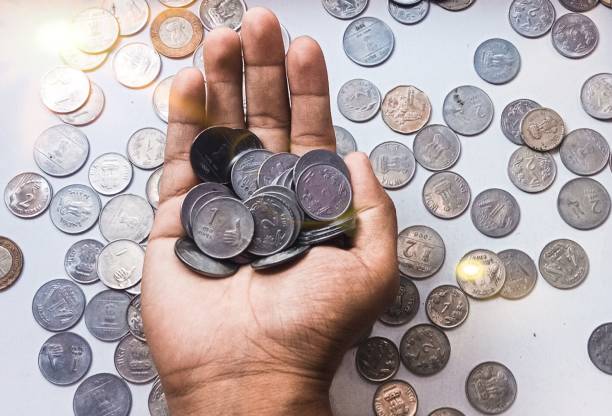
As a foreigner exploring India’s fascinating economic landscape, I was struck by a curious question that many Indians might overlook in daily life: How much does it actually cost to make a one rupee coin?
what is the manufacturing cost of one rupee?
On the surface, it seems like a straightforward matter—mint a coin and put it into circulation. But when you dive into the world of currency manufacturing, you realize there’s a lot more going on behind that single rupee than meets the eye.
Let’s break it down.
The True Cost Behind a ₹1 Coin
In many countries, the cost of producing currency—especially coins—can sometimes exceed their face value. India is no exception. While exact figures can vary depending on the year, material prices, and government processes, several reliable sources and news reports have indicated that:
It costs more than ₹1 to produce a one rupee coin.
In fact, various reports over the past few years have estimated the production cost to be somewhere between ₹1.11 and ₹1.50 for a single one rupee coin. That means the Indian government spends more than what the coin is technically worth.
Why Is It So Expensive?
The manufacturing cost of currency depends on several factors, including:
Raw Materials: One rupee coins are made of stainless steel, which fluctuates in price.
Labor & Energy Costs: Minting facilities require manpower, electricity, and machinery to produce coins at scale.
Transportation & Distribution: Once minted, coins need to be securely transported to banks and financial institutions across the country.
Security Features: Even coins require design accuracy, anti-counterfeiting measures, and strict quality control.
So while the coin itself is just ₹1, the effort and cost behind it add up.
Why Keep Making ₹1 Coins Then?
You might wonder, why continue making these coins if they cost more than they’re worth?
Here’s why:
Public Convenience: Small denominations are essential for daily transactions, especially in rural and semi-urban areas.
Durability: Coins last longer than paper notes. A coin can stay in circulation for 15-20 years, whereas a ₹1 note wears out much sooner.
Cultural & Psychological Value: ₹1 holds symbolic importance in India, often used during religious offerings, change transactions, and symbolic gestures.
Is This a Problem?
Not necessarily. Governments across the world, including the U.S. and U.K., face similar issues with low-denomination coins. Many continue minting such coins despite losses because of their usefulness in the economy. In India, even though there’s a small loss on each coin, the long-term utility makes it worthwhile.
Final Thoughts
The story of India’s one rupee coin is more than just about money—it’s about economics, policy, and practicality. As a foreigner observing this system, I find it fascinating that such a tiny piece of metal carries not just economic value but also cultural significance.
So the next time you hold a ₹1 coin, remember—it may be small in value, but it’s big in effort.