The weekend is frequently viewed as a much-needed break from the daily grind—a chance to relax, rejuvenate, and take a break from obligations. But a lot of people discover that their weekends go by too fast, sometimes leaving them feeling even more exhausted than when they started. Weekends might seem like a blur because of social commitments, running errands, and attempting to make up for lost sleep. For this reason, it’s critical to establish deliberate weekend routines that promote mental health. These rituals focus on selecting activities that meaningfully and sustainably rejuvenate the mind, body, and spirit rather than on doing more.
The goal of mental wellness is to establish a solid foundation of inner calm, emotional resilience, and clarity rather than just managing stress or preventing burnout. The weekend is the ideal time to stop, think, and do things that support mental health in general. You can create a pattern that not only makes you happy but also improves your capacity to deal with life’s obstacles by making some activities become regular weekend rituals.
Slowing down your mornings is one of the best weekend routines you can implement. Weekends give you the freedom to start the day at your own pace, in contrast to weekdays when it’s usually necessary to rush out the door. A calm atmosphere is created by beginning the day gently, maybe with a warm drink, some quiet time, or just staring out the window. Stillness in the morning is incredibly calming and creates space for awareness. You may think, take a big breath, and start the day with intention rather than urgency when you are not under any time constraints.
Another effective strategy to improve mental health during the weekend is to spend time in nature. Spending time in nature, whether it be through gardening, a quick trek, sitting beneath a tree, or a stroll in a neighboring park, helps to clear the mind. The natural world has a way of reminding us to appreciate the beauty all around us and calming down our speeding thoughts. The sound of rustling leaves, birdsong, or running water can be very restorative. Small green areas or balconies with lots of plants might help people connect with nature even if they live in an urban setting.
A weekend practice that can greatly enhance brain clarity is unplugging from technology, even for a few hours. Emails, social media, and incessant notifications overstimulate our minds during the workday. During the weekend, scheduling screen-free time promotes deeper presence and helps the brain relax. These analog activities, such as reading a real book, keeping a journal, drawing, or holding unbroken discussions, provide a welcome diversion from the deluge of digital information.
Another nutritious practice that can promote mental wellness is creative expression. To gain from artistic endeavors, you don’t need to be a professional artist. Joy and an outlet for emotions can be found in writing, painting, photography, music, cooking, and handicraft. You can make room for healing by subtly processing your ideas and feelings through creative endeavors. Making something, no matter how small, can be incredibly rewarding and a reminder of your own creativity and agency.
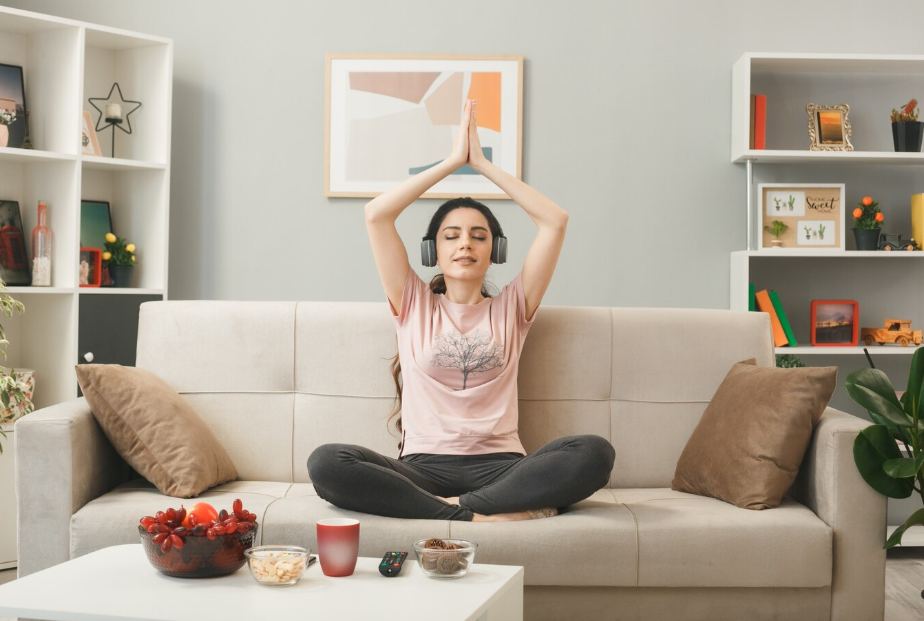
Movement is essential for mental health, and the weekend is a great time to try out physical pursuits other than your usual workout. Think about the kind of activity that makes you happy rather than pushing yourself into a strict routine. It could be doing easy yoga, stretching in the morning sun, dancing in your living room, or going on long, slow walks. Intense movement is not necessary for its effectiveness. All it needs to do is make you feel more connected to your body and relieve any tension or stress that may have been building up.
Reflection is another weekend practice that can significantly promote mental well-being. You can gain a deeper understanding of your inner world by setting aside time to dwell with your ideas, possibly through journaling. Clarity and understanding can be gained by thinking back on the week, including what went well, what was challenging, and what you learnt. It makes you more conscious of the trends in your ideas and actions. Self-reflection like this promotes personal development and increases emotional intelligence. Additionally, you can use this time to gently set goals for the upcoming week without feeling rushed or under pressure.
Taking care of the body translates into taking care of the mind. This may be making a healthy meal, utilizing essential oils, having a lengthy bath, or massaging your hands or feet. These small gestures of self-compassion communicate to your nervous system that you are respected and protected. Even when the mind appears to be at ease, the body frequently retains tension. You may naturally promote mental wellness by lovingly and slowly taking care of your body.
When done intentionally, spending quality time with loved ones can be incredibly therapeutic. The weekend provides a chance to spend time with positive people. Extensive planning or big crowds are not necessary for this. Playing games with kids, having a sincere chat with a friend, or enjoying a calm lunch with family may all bring happiness and comfort. Building relationships via genuine listening and sharing, or being emotionally present in your interactions, is crucial for mental and emotional well-being.
The value of silence is enormous, yet it is frequently underestimated. During the weekend, setting aside time for stillness can become a meaningful practice. We become more conscious of our inner monologue and emotional condition when we are silent. Silence calms the mind, whether you want to meditate, sit in a peaceful place, or just lie in bed with your eyes closed. It facilitates the transition to just being and helps end the cycle of never-ending doing. Clarity and healing emerge in that state of being.
Gratitude practice is another crucial weekend ritual. It’s simple to concentrate on what’s missing, particularly when we’re feeling overburdened. However, spending a few minutes writing down our blessings changes our mental story to one of gratitude. Although it doesn’t take away suffering, gratitude helps us maintain mental equilibrium by reminding us of the things that are still pleasant, secure, or reassuring. A consistent practice of appreciation can gradually increase happiness and mental toughness.
Even a small amount of decluttering over the weekend can have a big impact on your mental health. Our emotional condition is frequently reflected in our physical surroundings. A disorganized or disorderly environment can make us more stressed and less able to concentrate. Cleaning doesn’t have to be a job; it can be a ritual of mindfulness. A sense of clarity and control can be gained by reorganizing an area of your house, sorting a drawer, or clearing a table.
A healthy diet is also a component of mental health care. The weekend is a time to cook deliberately, pick ingredients carefully, and enjoy food without interruption. When done with presence, cooking may be meditative, and the experience is enhanced when meals are shared with others. A healthy dinner transforms into an act of self-love and community, going beyond simple nourishment.
Another grounding weekend practice is to explore spirituality in whichever manner speaks to you. This could be prayer, attending a spiritual meeting, reading spiritual materials, or simply considering life’s deeper questions. These experiences of being a part of something bigger than yourself can offer solace, direction, and perspective. Spiritual rituals can be particularly beneficial when coping with feelings of loneliness, melancholy, or anxiety because they remind us that we are a part of something larger.
Sometimes the most healing thing you can do is nothing. One of the most effective forms of self-care is allowing oneself to relax guilt-free. It’s acceptable to allow your body unwind and your mind wander, whether that means napping, daydreaming, relaxing in bed, or just gazing at the ceiling. Intentionally doing nothing becomes a counterweight to the weekly structured demands. It makes room for rest, inspiration, and healing.
In the end, weekend customs shouldn’t feel like a to-do list. They ought to make you feel more like yourself. Rituals that meet you where you are, provide you serenity, and fit with your natural rhythm are the most successful. Depending on your needs, your rituals may vary from week to week. While some weekends may be for rest and recuperation, others may be for activity and productivity.
By constructing weekends that support your mental wellness, you set the stage for a more balanced life overall. You only need to be willing to slow down, listen inwardly, and reply thoughtfully; no complex plans or costly resources are required. When you follow these routines consistently, they serve as reminders that your health is important and serve as pillars for your week. They help you reestablish connections with others, the natural world, yourself, and the things that genuinely uplift your soul. You can then return to your week with greater strength, patience, and clarity after being grounded.