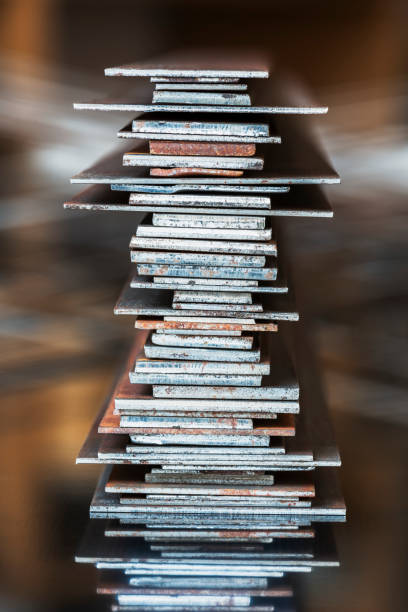
Steel is one of those things we all depend on but barely notice. Kinda like Wi-Fi. You only remember it exists when it stops working. I realized this a few years back when a small fabrication unit near my place was delayed because the supplier messed up a steel order. The entire job paused. No drama, no shouting, just silence and idle machines. That’s when I started paying attention to everyday steel products, especially Ms flat, which, funny enough, was sitting right there in stacks looking boring but important.
People outside manufacturing think steel is just steel. Like one shiny gray thing. But inside workshops, everyone knows there’s a personality to it. Mild steel, in particular, is like that reliable middle child. Not too fancy, not too weak, just does the job and doesn’t complain. And flats? They’re everywhere. Frames, supports, brackets, base plates. You name it. If something metal is standing straight, chances are a flat is helping it stay that way.
Why Flat Steel Gets Picked Over Flashy Options
There’s a lot of noise online about high-strength alloys, stainless grades, imported materials, etc. Instagram reels make it look like anything “basic” is outdated. But in real projects, especially structural or industrial ones, basic wins. Mild steel flats are easy to cut, easy to weld, and don’t throw tantrums when you heat them. That’s a big deal.
I once watched a welder reject a “premium” steel piece because it was annoying to work with. His exact words were, “Isse achha toh normal flat hi de do.” That stuck with me. Performance on paper is one thing. Performance on site is another.
A lesser-known thing people don’t talk about much is wastage. Flats tend to generate less scrap compared to more complex sections. For small units, scrap equals lost money. In India, where margins are already tight, this matters more than LinkedIn posts admit.
The Social Media vs Site Reality Gap
If you scroll construction Twitter or LinkedIn (which I do, sometimes regretfully), you’ll see people hyping futuristic materials. But comments usually tell another story. Contractors asking about availability. Fabricators worrying about bending issues. Someone always says, “Bro, mild steel hi best hai.”
That online chatter mirrors what I’ve heard offline too. A lot of builders still prefer simple flats for reinforcement and supports because they know how it behaves. Predictability is underrated. Steel that surprises you is not fun.
Also, mild steel doesn’t need babying. It can handle rough storage, minor rust (which can be cleaned), and still perform fine. Try that with some high-end imported stuff and watch costs spiral.
Everyday Places Where You’ve Seen It Without Noticing
Next time you’re in a warehouse, look at the racks. Flats. That metal gate outside your apartment? Flats again. Even machinery bases often use flat sections because they distribute load evenly. Engineers love that, even if they don’t post about it.
A niche stat I once came across during a supplier chat (not a report, just shop talk) was that a large percentage of small fabrication orders in tier-2 cities are still flat-based designs. Tubes and angles come later. Flats come first. It’s kind of the default choice.
From a strength-to-cost perspective, it’s hard to beat. Especially when projects don’t need aerospace-level precision. Most don’t.
Working With Steel Is More Emotional Than It Sounds
This might sound weird, but people who work with steel get attached to certain forms. I’ve seen foremen argue over using a flat versus a channel like it’s a personal preference, not engineering. Sometimes it is. Comfort matters.
I remember a small shed project where everything was designed around flats because the local workshop had jigs already set for them. Changing material would’ve meant recalibrating everything. So the “best” steel was the one that fit the workflow. That’s real life, not textbook stuff.
There’s also pricing volatility. Flats usually have more stable pricing compared to specialized sections. When steel prices jump overnight (which they love to do), having a material that’s commonly stocked helps. Less panic, fewer redesigns.
Wrapping This Thought Without Making It Sound Like a Conclusion
Steel doesn’t need hype. It just needs to work. Mild steel flats have survived decades of trend cycles because they’re simple and dependable. They don’t go viral, but they don’t fail either. And when people online argue about innovation, somewhere a fabricator is quietly ordering another batch of Ms flat and getting on with the job.
Maybe that’s the most steel-like quality of all. Quiet strength. No fuss. Just holding things together while everyone else debates.