That one blackout that changes everything
I didn’t really care about power backup until one random evening when the power went out mid–Netflix episode. Laptop at 12%, phone at 8%, WiFi dead. That’s when you start staring at the ceiling and thinking about life choices. The funny thing is, we talk about smart homes, EVs, AI this and that, but electricity still disappears like it’s 1998 sometimes. And suddenly, Power Backup solutions don’t sound boring anymore. They sound necessary. Like salt in food. You don’t notice it until it’s missing.
Power cuts are still more common than we admit
There’s this belief floating around on social media that power issues are “mostly fixed” now. Scroll Twitter or local WhatsApp groups during peak summer and you’ll see a very different reality. Transformers tripping, scheduled cuts, surprise maintenance. In India alone, niche energy forums often mention that urban households still face multiple short outages every month, even if they’re just 10–20 minutes long. Those tiny cuts are actually worse than long ones. They mess up routers, damage appliances, and reset everything right when you’re in a meeting.
I once lost half a day’s work because my desktop shut down abruptly. No backup, no mercy. Learned that lesson the hard way.
Power backup isn’t just for emergencies anymore
Earlier, power backup felt like a “just in case” thing. Like an umbrella you carry only during monsoon. Now it’s more like your daily water bottle. Remote work, online classes, home offices, smart TVs, security cameras, even doorbells need power. And no, your phone hotspot won’t save you every time.
Modern Power Backup solutions aren’t only about lights and fans. They’re about keeping your routine intact. It’s less about survival and more about convenience. People don’t want to pause life every time electricity goes on a break.
Batteries aren’t boring anymore, honestly
I used to think batteries are just… boxes. Heavy, loud, something you hide in a corner. But that’s old thinking. Newer systems are quieter, smarter, and honestly less ugly. Lithium-based backups especially have changed the game. Lesser-known fact: lithium batteries can handle more charge cycles than traditional lead-acid ones, which basically means they age slower. It’s like comparing a smartphone from 2012 to one from now.
On Reddit and LinkedIn, there’s growing chatter around energy independence. People casually mention how their backup systems saved them during grid failures. That conversation didn’t exist five years ago. Now it’s normal flex content.
Financially, it’s not as scary as it sounds
Here’s where people overthink. “Backup systems are expensive.” Yes, upfront cost exists. But so does the cost of replacing fried appliances, lost work hours, or damaged equipment. Think of it like buying a helmet. You don’t calculate helmet cost against zero accidents. You calculate it against that one bad fall.
A small story. A friend runs a home-based design studio. No backup earlier. One power fluctuation ruined his UPS and monitor. The repair bill crossed what a decent backup system would’ve cost. That’s when the math suddenly made sense.
Power Backup solutions are more like long-term tools, not impulse purchases. Spread over years, the per-day cost is surprisingly low. People just don’t calculate it that way.
Solar plus backup is becoming the cool combo
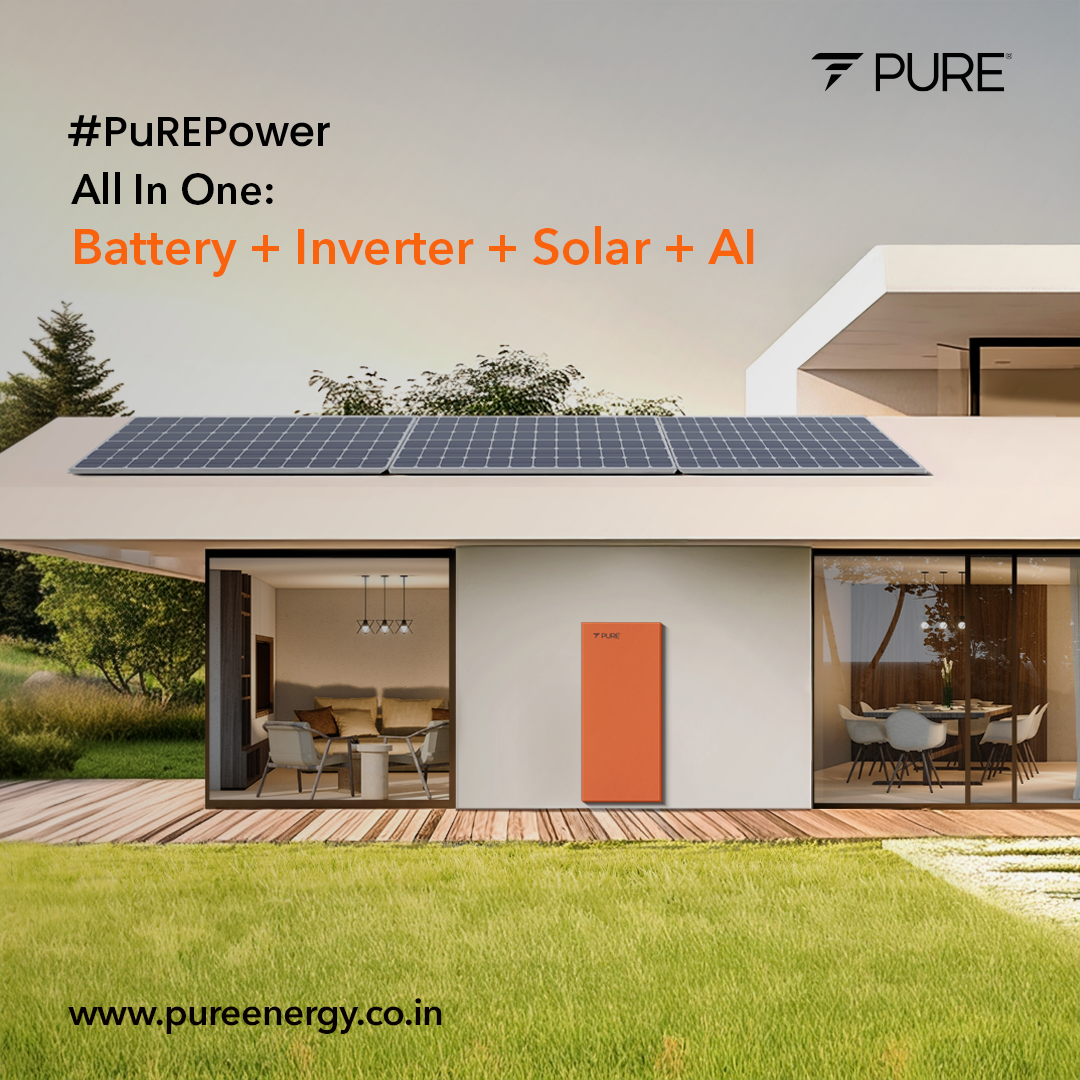
Another thing I keep seeing online is people pairing backup systems with solar. Not full solar homes, just partial setups. Panels charging batteries during the day, using stored power at night or during cuts. It’s not about going fully off-grid for most people. It’s about reducing dependency.
There’s a niche stat floating around energy blogs saying homes with hybrid backup systems see noticeable drops in grid consumption during peak hours. Less load, fewer trips, smoother supply. It’s boring engineering stuff, but the result is simple: fewer headaches.
Noise, maintenance, and other old fears
Generators gave backup systems a bad reputation. Loud, smelly, fuel-hungry monsters. Modern backups don’t behave like that. No noise, minimal maintenance, no fuel runs at midnight. That’s something older generations still don’t fully trust yet. I had to explain this to my uncle who still believes backup equals diesel.
Online reviews usually mention how “invisible” these systems feel once installed. That’s probably the best compliment. If you forget it’s there, it’s doing its job right.
Choosing the right size is where people mess up
Most people either underbuy or overbuy. Too small and you’re rationing power like it’s a hostel room. Too big and you’ve paid for capacity you’ll never use. I made this mistake once by assuming everything needs to run at once. Reality check: you don’t use AC, microwave, washing machine, and iron together during a power cut. Be honest about habits.
That’s where experienced providers of Power Backup solutions actually help. They ask annoying questions about usage, but those questions save money later.
Final thought, not really a conclusion
Power backup isn’t exciting. Power Backup solutions No one shows it off like a new phone. But when the lights go out and yours stay on, there’s a quiet satisfaction. It’s like being the only one with mobile data in a dead zone.