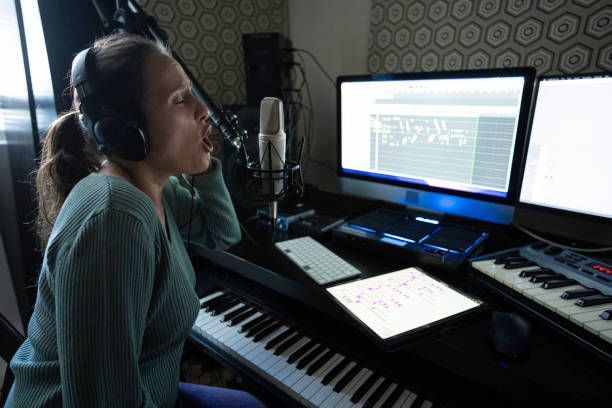
Ever thought your shower singing could land you a Grammy? Yeah… me too. Reality check: most of us sound like cats fighting over a tuna can when we first try. But the good news is, anyone can improve — even you, even me. Singing Classes are basically like personal trainers for your voice, minus the awkward gym mirrors and sweaty equipment. I tried a few myself, and trust me, the difference is wild. Suddenly, I could hit notes without sounding like I was choking on water.
Why Professional Training Actually Helps
People often think singing is just “opening your mouth and hoping for the best.” Wrong. It’s like trying to cook a gourmet meal with a microwave. Sure, you might survive, but it won’t taste great. A proper singing class teaches you breathing techniques, pitch control, and how to warm up your vocal cords without straining them. Social media is full of hilarious “expectation vs reality” singing videos — one minute someone’s confident in the car, next minute they’re squealing in public. The trick? Regular practice and guidance, which you get from these classes.
Discover Your Unique Voice
I used to copy every singer I liked — the high notes, the vibrato, the dramatic pauses. Big mistake. Your voice is like a fingerprint: no one else has the same one. Singing Classes focus on helping you find your natural tone, your comfort zone, and your strengths. I remember struggling with high notes for weeks, thinking I’d never get them right. Then one little tip from my teacher — adjust your tongue placement — and suddenly it wasn’t painful anymore. It’s small tweaks like that which make a huge difference.
The Fun Science of Singing
Here’s something people rarely talk about: singing is good for your brain. Not just a feel-good thing — it literally releases endorphins and reduces stress. Some studies suggest regular singers have better lung capacity, posture, and even memory. I didn’t start taking Singing Classes for science, but I noticed I felt calmer, more confident, and occasionally even happier after practice. Plus, I got better at breathing — which, honestly, is useful when you’re trying to stay calm in any stressful situation.
Stage Fright Isn’t Permanent
Even if you think your voice is “only good in the shower,” stage fright is real. I remember my first performance in class — hands shaking, knees wobbling, trying not to squeak. But the more I practiced, the less scary it got. Online clips of people performing before and after classes are inspiring: someone goes from cracking notes to confidently singing full songs in front of a crowd in a few months. That’s the power of consistent practice.
Making Singing a Daily Habit
Once you start, it’s kinda addictive. I found myself singing in the car, kitchen, and yes… still the shower. Small daily sessions — even 15 minutes — make a noticeable difference. Think of it like working out: you don’t need a two-hour session every day to see results. And honestly, singing feels more like fun than work once you get the hang of it.
Choosing the Right Songs
Picking the right songs is crucial. Social media is full of “singing challenges” and viral covers, but not every song fits your voice. Trying to belt out a Mariah Carey hit when you’re more of an Ed Sheeran range is a fast track to frustration. Singing classes help you pick songs that match your vocal range while still challenging you. That way, you’re improving without feeling overwhelmed or embarrassed.
Real Progress Happens Slowly
One thing I underestimated: progress is gradual. You’re not gonna hit perfect high notes overnight. It’s okay to mess up, crack, or even sound terrible sometimes. In fact, those moments are essential. Your brain and vocal cords are learning, even when it feels awkward. Watching classmates post their first attempts online is both funny and motivating. Honestly, seeing people improve reminds you that everyone starts somewhere — even the most polished singers.
Why You Should Consider Singing Classes
Even if you’re not aiming for a career, singing is incredibly rewarding. It’s confidence-building, therapeutic, and fun. You get to express yourself, connect with music, and notice real improvement in a few weeks. I’ve met people who started as shy, hesitant singers and now perform confidently in small gigs. And the best part? You’re learning a skill that’s fun, social, and can even impress friends at parties.
At the end of the day, Singing Classes aren’t just about notes or perfect pitch. They’re about discovering your voice, gaining confidence, and having fun while doing it. If you’ve ever thought, even for a second, “I wish I could sing better,” there’s really no reason to wait. Your voice is waiting — and it might surprise you how much you can improve when you actually train it.