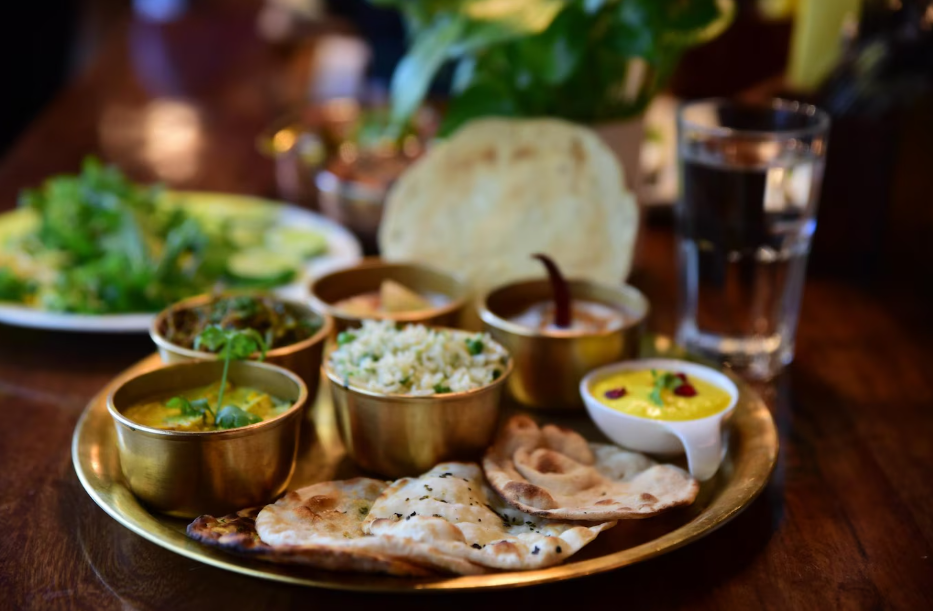
It can be difficult to maintain a healthy diet without sacrificing flavor in a place like India, where food plays a significant role in both culture and family life. Although Indian food is renowned for its variety of ingredients, rich spices, and tantalizing scents, many of its classic recipes are high in calories. But as people become more conscious of their health and fitness, they are looking for quick, calorie-conscious, and filling Indian supper options. The good news is that there are many delectable Indian recipes that can be modified to be savory but light, making them ideal for a filling supper.
Focusing on meals high in veggies, legumes, and lean proteins while avoiding heavy oils, cream, and deep-frying is one of the easiest ways to keep dinner low in calories. Moderate consumption of complex carbs and whole grains also helps sustain energy levels without consuming too many calories. In Indian cooking, spices and herbs are essential because they provide strong tastes without adding extra calories, making meals both delicious and calorie-conscious.
Dal, or lentil soup, is a traditional option for a light Indian meal. The high protein and fiber content of lentils promotes fullness and facilitates digestion. Dal is a hearty and nutritious dish that may be made with little oil by combining pressure-cooked lentils with spices like turmeric, cumin, and coriander. The dal’s nutritional value is increased and its calorie count is kept low by adding vegetables like spinach, tomatoes, or bottle gourd. The meal is completed without being heavy by serving dal with a modest quantity of whole wheat roti or brown rice.
Another mainstay of light Indian meals are vegetable stir-fries, or sabzis. Curry leaves, mustard seeds, and a little turmeric and chili powder can be used to swiftly sauté seasonal vegetables like cauliflower, bell peppers, beans, and zucchini. The dish will stay low in calories if you use a non-stick pan with little oil. These stir-fries go well with nutrient-dense, digestion-promoting millet rotis like jowar or bajra or whole wheat chapatis.
Choosing low-fat paneer or tofu might result in a nutritious, high-protein meal for individuals who like paneer, the Indian cottage cheese. Recipes that use little oil and lots of veggies, such as paneer tikka or paneer bhurji, are satisfying without being high in calories. Before grilling, paneer can be marinated in yogurt and spices to improve flavor without adding too much fat. Additionally, paneer recipes go nicely with mildly spicy dals or fresh salads.
Lighter versions of pulao or khichdi can be wholesome supper options, but rice meals that contain ghee and additional nuts can frequently be high in calories. A combination of rice and lentils cooked with veggies and mild spices, khichdi is nutrient-dense and easy on the stomach. In place of white rice, brown rice or quinoa adds fiber, slows down digestion, and prolongs the feeling of fullness. The dish stays light by avoiding ghee or by tempering with only a teaspoon.
Idli and dosa, two South Indian mainstays, can easily be modified for a low-calorie supper. Steamed and naturally low in fat, idlis are created from fermented rice and urad dal batter. They can be served with light-oil-free tomato, coriander, or fresh coconut chutneys. Similar batter can be used to make dosas, which can be filled with veggies or spicy mashed potatoes for extra nutrition and cooked in a non-stick pan with little oil. These recipes offer a hearty, satisfying, and easily digestible supper.
Soups are a terrific way to stay warm and full while eating a low-calorie dinner. Spiced butternut squash soup, tomato shorba, and mulligatawny (a lentil and vegetable soup) are examples of Indian-style soups that use a combination of spices and fresh vegetables to create depth without being heavy. These soups are ideal for light evenings, particularly in the winter, and may be prepared in big quantities. Before serving, squeeze in some lemon and add some fresh herbs, such coriander, to improve the flavor and freshness.
Indian-inspired salads can be a light, calorie-conscious supper choice. A bright meal rich of texture and flavor is produced by tossing ingredients like cucumbers, tomatoes, onions, sprouts, and pomegranate seeds with lemon juice, chaat masala, and fresh mint. A tiny amount of boiling kidney beans or chickpeas increases the salad’s protein level and makes it more filling. To complete the meal, these salads can be served with a bowl of curd or a small portion of whole grain bread.
A healthy, simple dinner option is a one-pot dish like vegetable pulao, which is made with lots of vegetables and less oil. Adding taste without adding calories is possible by using fragrant spices like bay leaves, cloves, and cinnamon. Probiotics and digestive equilibrium are provided by serving such foods with raita, a yogurt-based side dish flavored with cucumbers and spices. This combo is flavorful, nourishing, and light.
Vegetables and proteins that have been grilled or roasted are excellent low-calorie Indian supper options. Tandoori-style cooking reduces oil and improves flavor by utilizing spices, yogurt marinade, and grilling rather than frying. Without the weight of creamy gravies, dishes like grilled fish, roasted vegetables seasoned in Indian spices, or tandoori chicken make for a filling supper. For a well-rounded supper, these can be served with multigrain rotis or simple salads.
The mixed vegetable curry, which has a tomato-onion base and little oil, is a straightforward yet tasty dish. Including vegetables such as spinach, peas, beans, and carrots lowers the calorie density and raises the fiber content. Depth is added with the use of spices like garam masala, cumin, and coriander. Curry is kept light while maintaining its traditional flavor by not using cream or coconut milk in its preparation. This stew goes nicely with millet-based or chapati flatbread.
With less oil and more fresh ingredients, people who adore street food may make healthier homemade versions of common snacks like chaat. Mung bean sprouts, onions, tomatoes, coriander, lemon juice, and spices are combined to make the calorie-dense and satisfying sprout chaat. Instead of frying chickpeas, try baking or roasting them to add crunch without adding too much fat. These foods offer the thrill of street dining without the associated guilt.
Low-fat yogurt and little oil for tempering can help lighten curd-based recipes like kadhi, a curry prepared with yogurt and chickpea flour. Kadhi goes well with millet rotis or steaming rice and is calming to the digestive tract. Despite being low in calories, kadhi’s mildly spicy and acidic flavor makes it a satisfying supper choice.
For a low-calorie supper, portion control is just as important as the recipes themselves. The dinner will be filling without being overdone if the dish is balanced with the right amounts of vegetables, carbs, and protein. Alongside meals, drinking lots of water or herbal teas promotes hydration and better digestion.
Without compromising the enjoyment of tasty meals, including these simple, low-calorie Indian supper recipes into daily life promotes a healthy lifestyle. They provide the ideal balance of flavor and nutrients, enabling people to savor the depth of Indian food while controlling their caloric consumption. Maintaining a nutritious diet is made both possible and pleasurable by emphasizing fresh products, clever cooking methods, and classic flavors.